AUTHOR
Anna Krajewska
Returns Technology Editor at Returns Ledger. Claim evidence, software integration and customer treatment guide her editorial coverage.
Editorial principle and publication standards
Product reviews
Practical guides
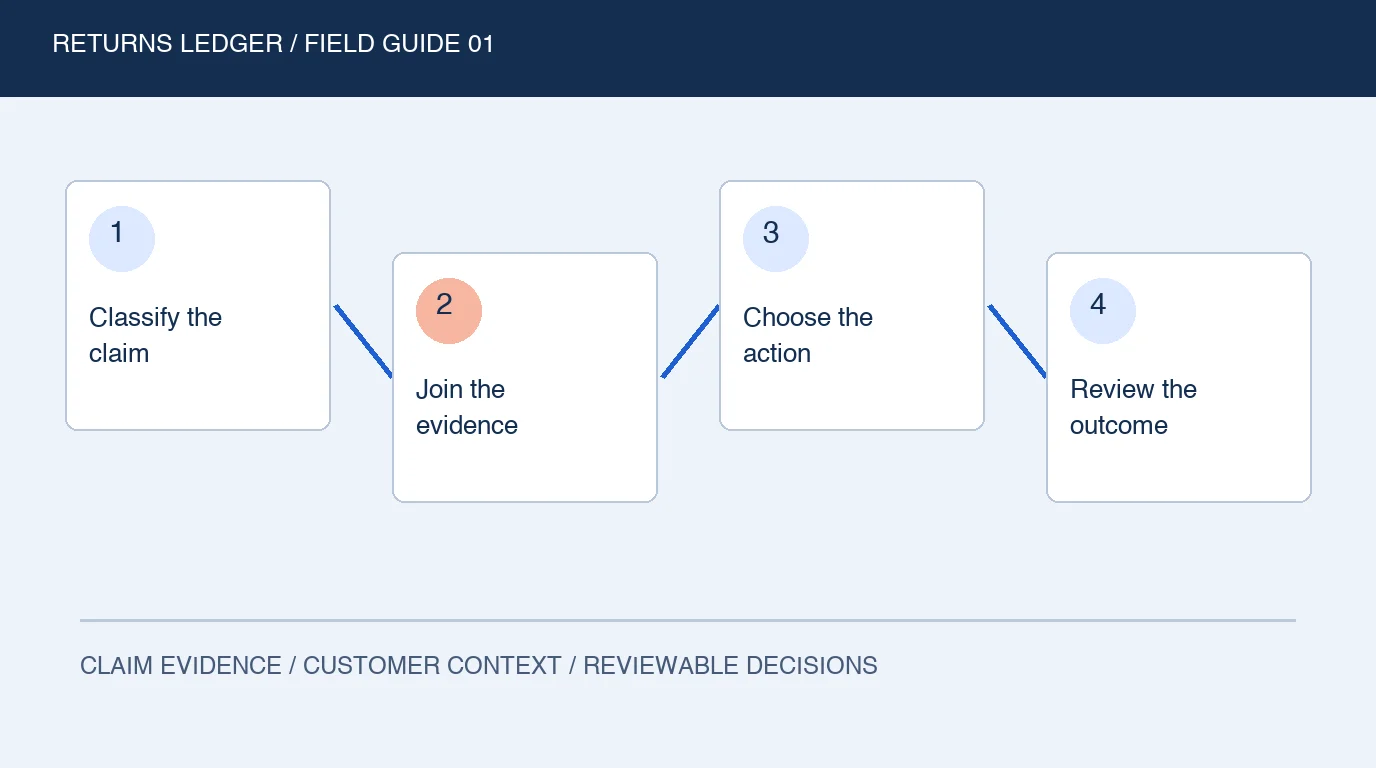
How to prevent refund and return abuse without penalizing honest customers
Prevent refund and return abuse with claim evidence, account links and review controls. Build a practical process that preserves legitimate refunds.
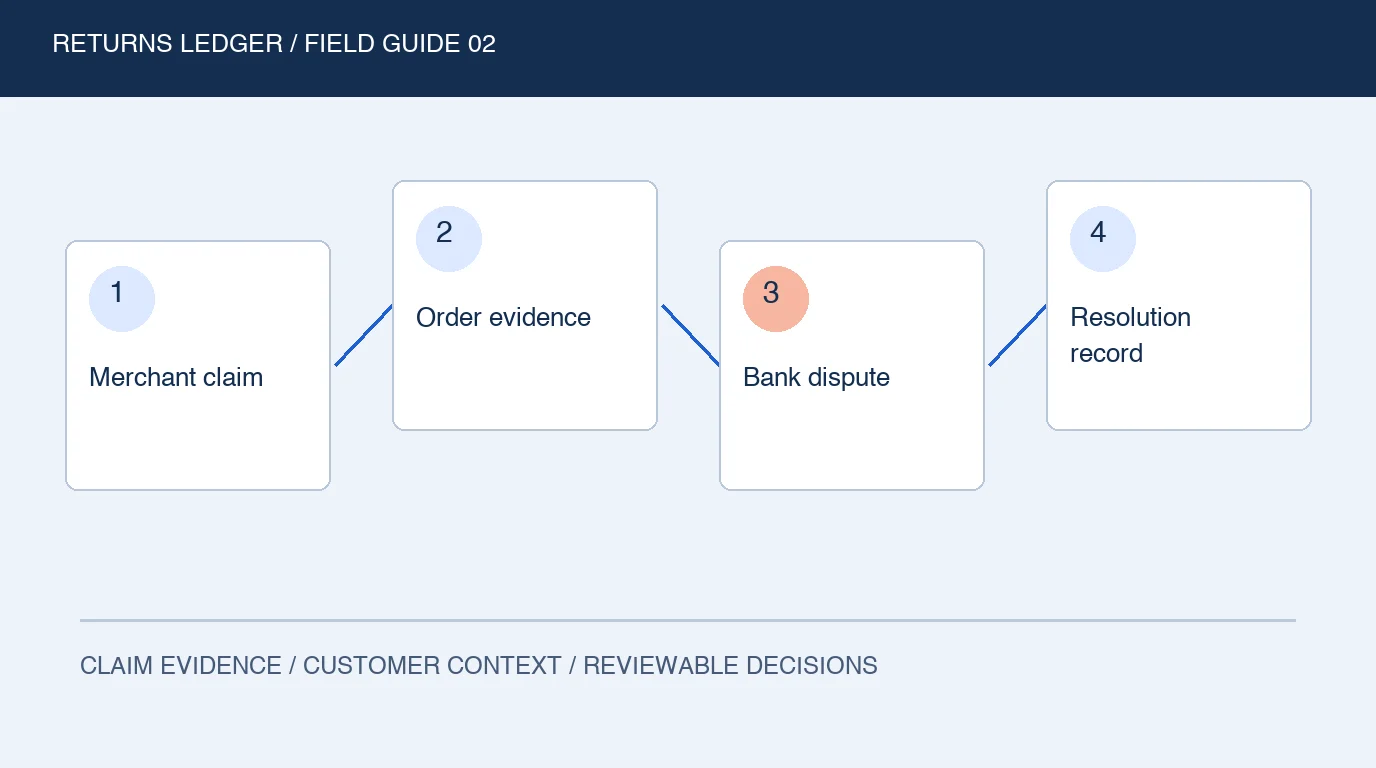
Refund abuse vs. friendly fraud vs. chargebacks: route the case correctly
Distinguish merchant refund claims from card disputes. Choose the evidence, operating team and prevention tools for each stage of a post-purchase case.
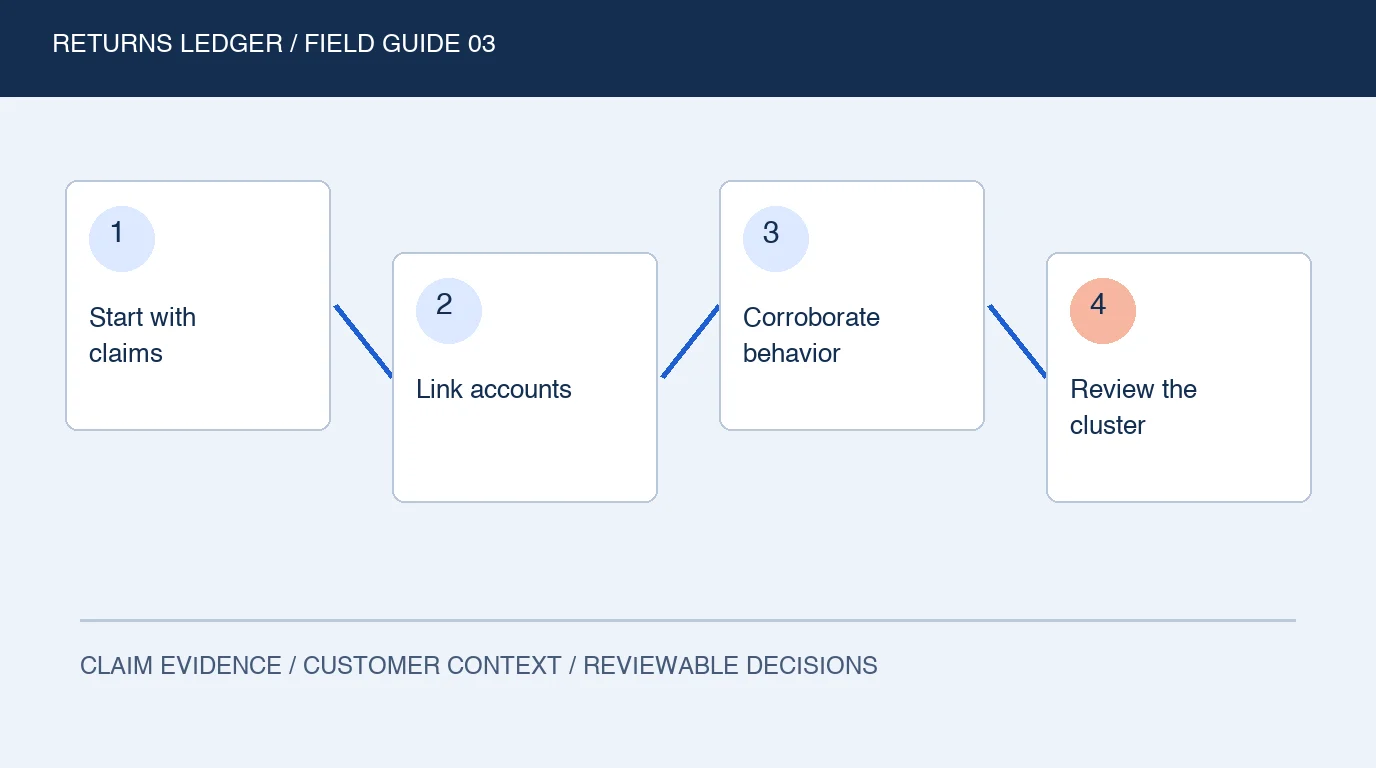
How to detect coordinated refund rings across fresh accounts
Investigate related refund claims using account, device and order evidence. Separate coordinated abuse from legitimate shared households and networks.
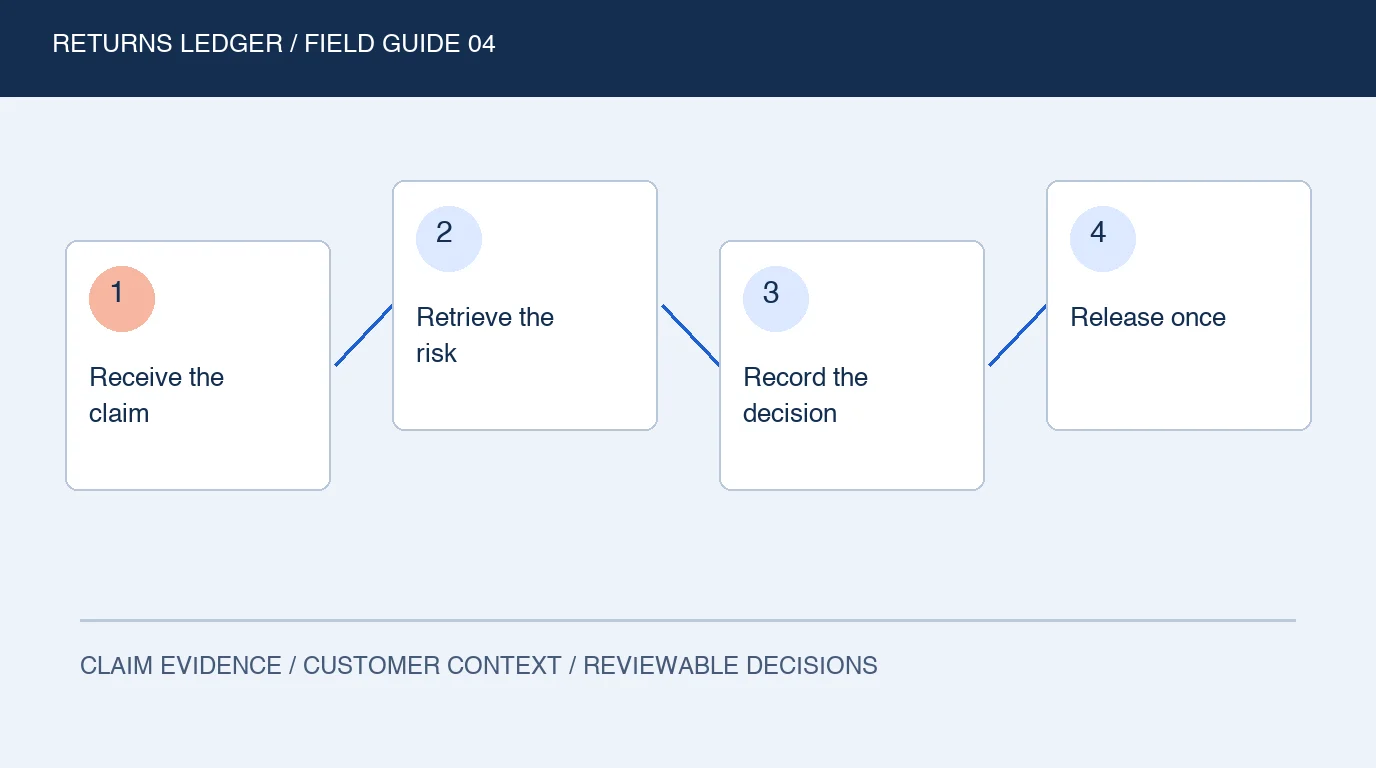
Integrate refund risk checks before payout: events, timeouts and duplicate requests
Design refund-risk checks around order and claim references, trusted results, review holds and idempotent refund execution. Test failures before rollout.
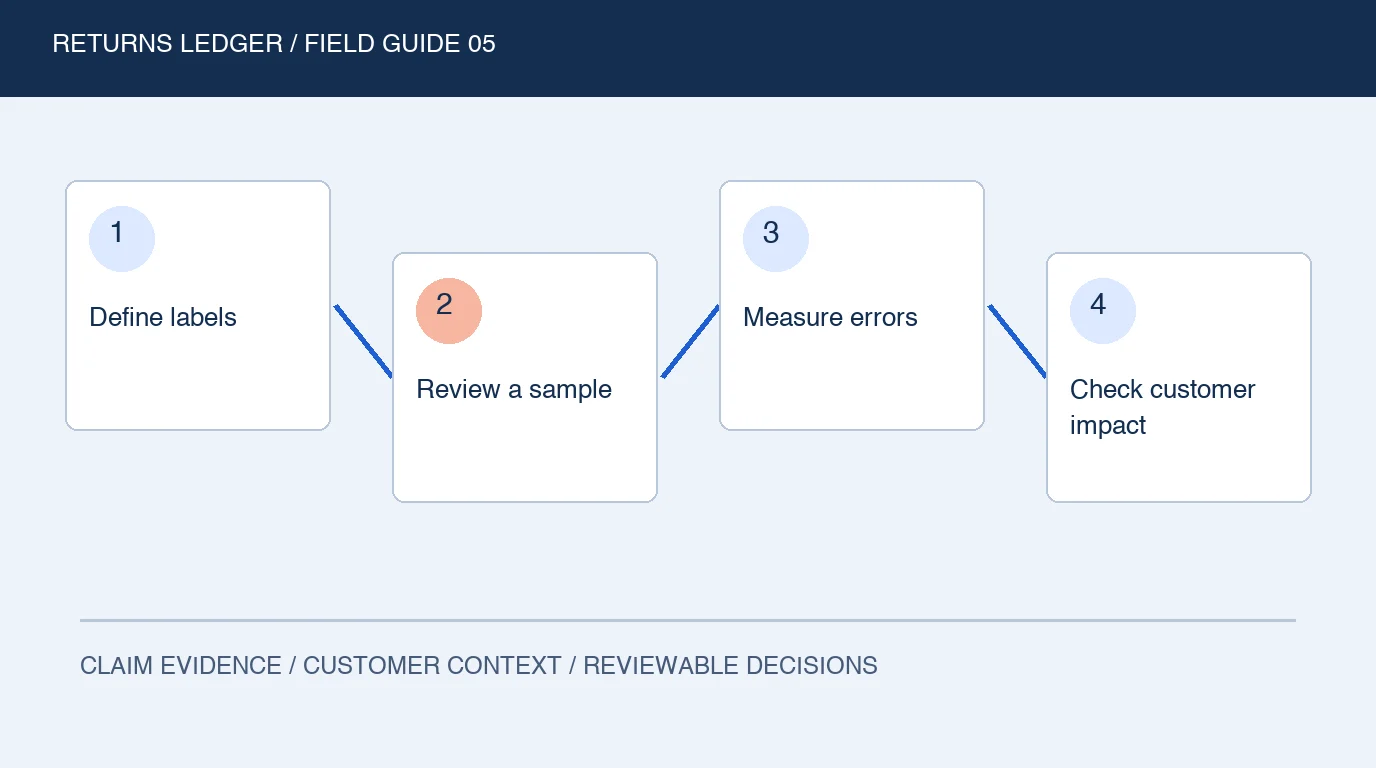
Measure false positives in refund abuse detection before changing customer treatment
Measure legitimate claims delayed or denied, review reversals and confirmed abuse loss. Build a fair refund evaluation with explicit outcome labels.
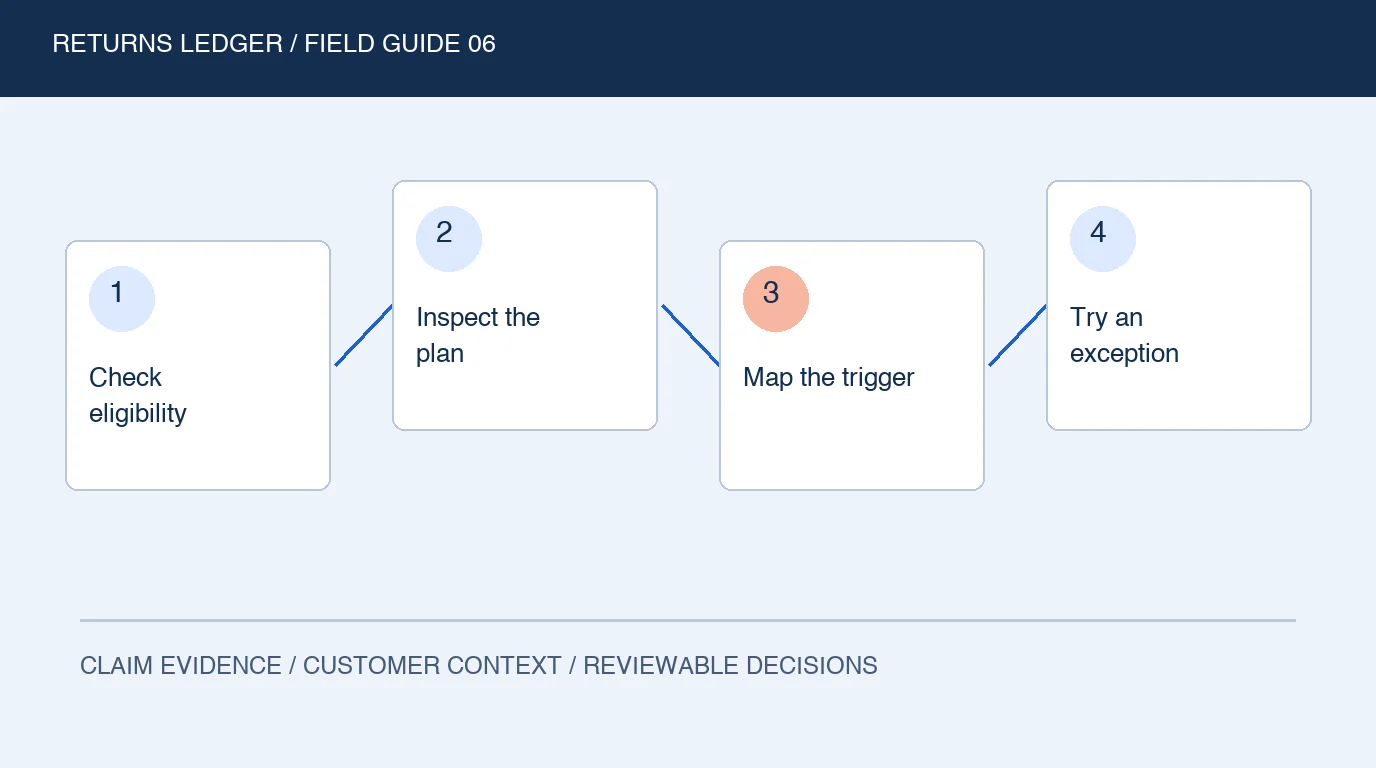
Shopify return fraud prevention: choose the workflow and the risk layer
Compare Shopify returns workflows, fraud-module access and claimant-risk integrations. Check payout timing, review controls and exact plan entitlement.
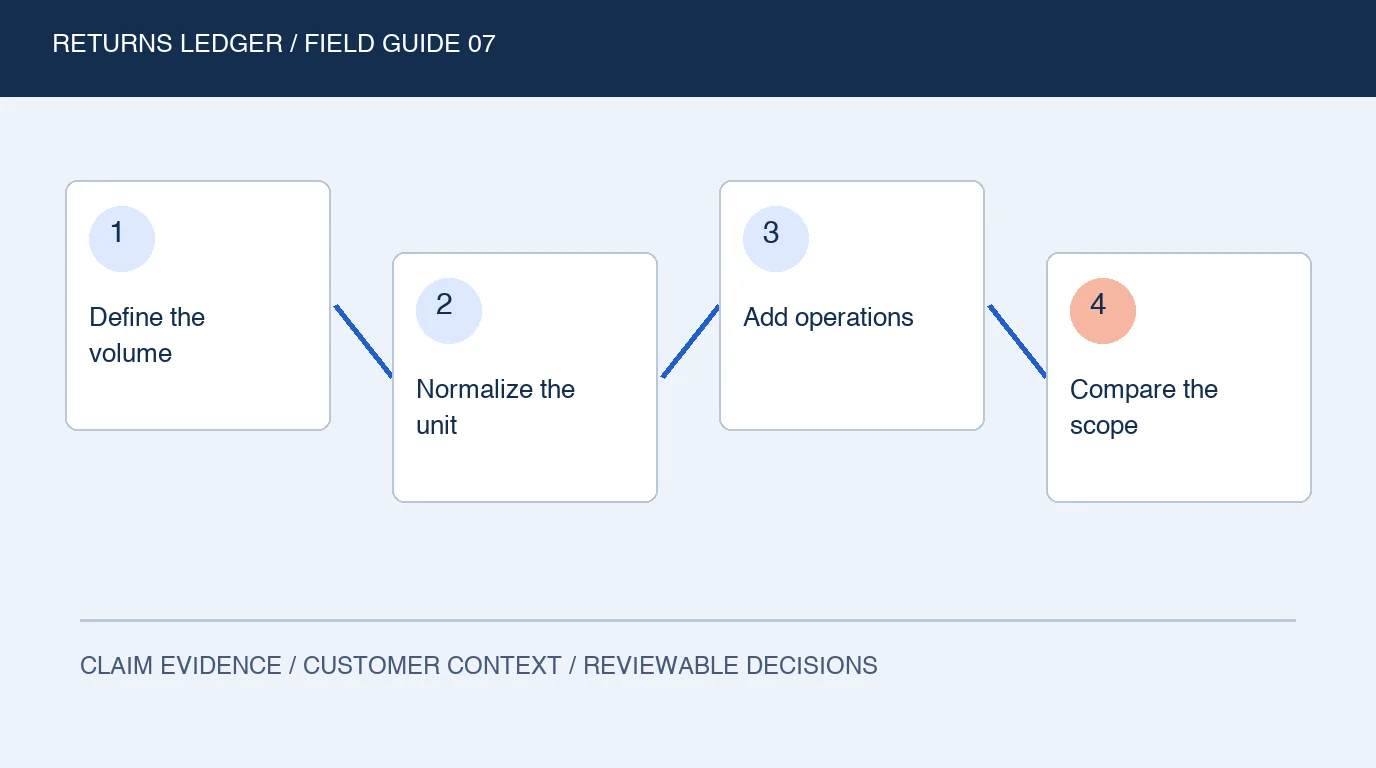
Refund abuse prevention software cost: compare the billable event and operating work
Compare refund-prevention costs across identification, returns workflows and custom policy products. Include review, inspection and contract scope.
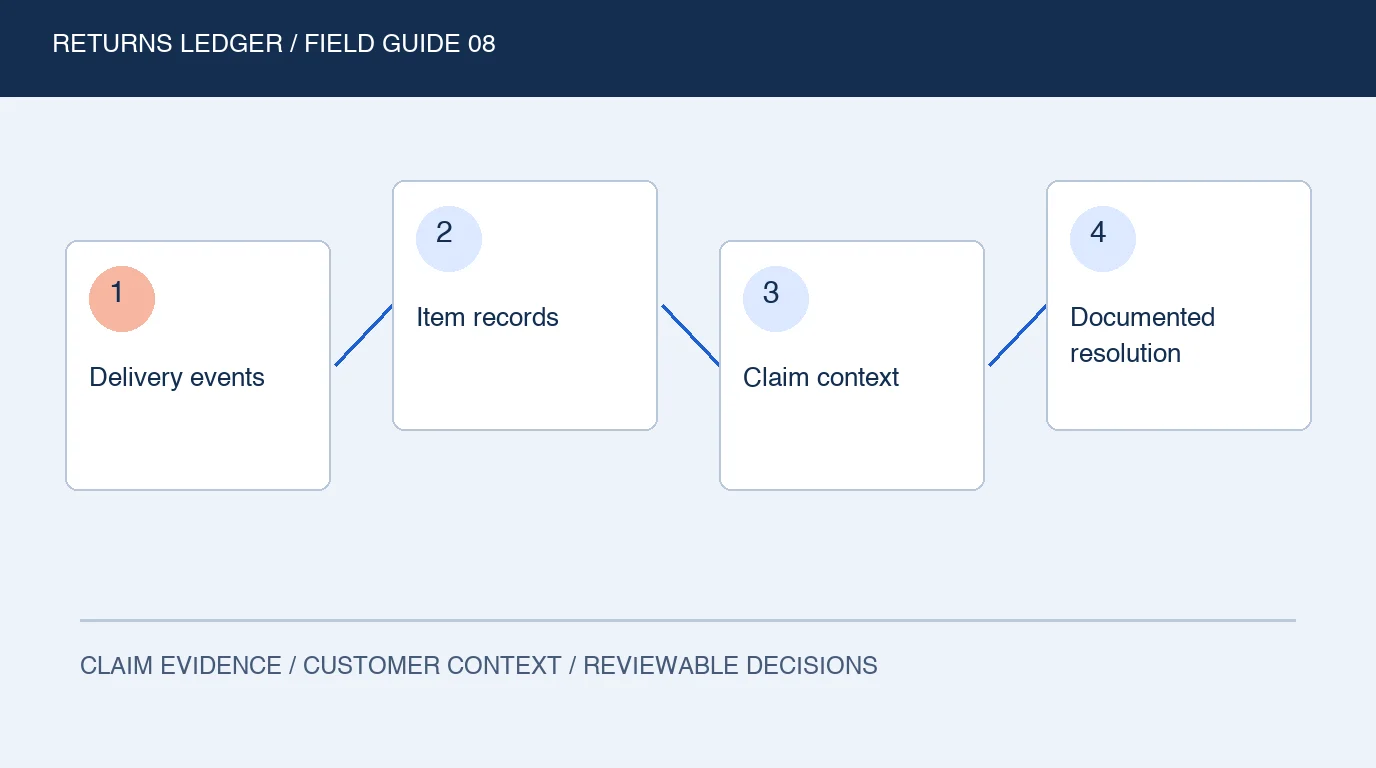
Item-not-received and empty-box claims: build an evidence checklist before refunding
Build separate evidence checklists for missing-parcel and empty-box claims. Connect carrier, item and claimant records without assuming the customer is wrong.